All Categories
Featured
Table of Contents
Not long ago, the phrase growth marketing immediately conjured images of seed-stage companies crammed into co-working spaces, driven by caffeine, code, and the ruthless pursuit of product-market fit. It was the domain of creators and early staff members wearing six hats, shipping tests at midnight, and going after any lever that might keep the company alive for one more quarter.
Today, it's mid-market brands that are welcoming growth marketing for scaling. The old marketing playbooks aren't delivering like they utilized to.
And growth marketing techniques provide them exactly what they require: flexibility, experimentation, and a strenuous, data-backed operating system for scaling smarter. Growth marketing has constantly been misinterpreted.
It spans the whole purchaser and customer lifecycle of activation, adoption, expansion, and retention with experimentation developed into every phase. It aligns sales, marketing, item, and customer success around shared facts: income over vanity metrics, insights over assumptions, and rapid iteration over rigid project calendars.
Scaling the UK Workforce in 2026
It's not growth for growth's sake, it's growth with intention. And that's precisely what mid-market organizations require most right now. Over the previous couple of years, mid-market companies have actually found themselves at an inflection point.
That pressure is improving how they think about earnings generation. Spending plan restraints have forced teams to scrutinize every dollar. Instead of "spend more to get more," executives are asking, "How do we invest smarter? How do we optimize what we already have?" Growth marketing is built for specifically that question.
Mid-market groups are recognizing that optimizing acquisition alone won't resolve the efficiency gap. In classification after classification, mid-market brand names are finding themselves drowned out by enterprise giants with larger budget plans and start-ups with louder voices.
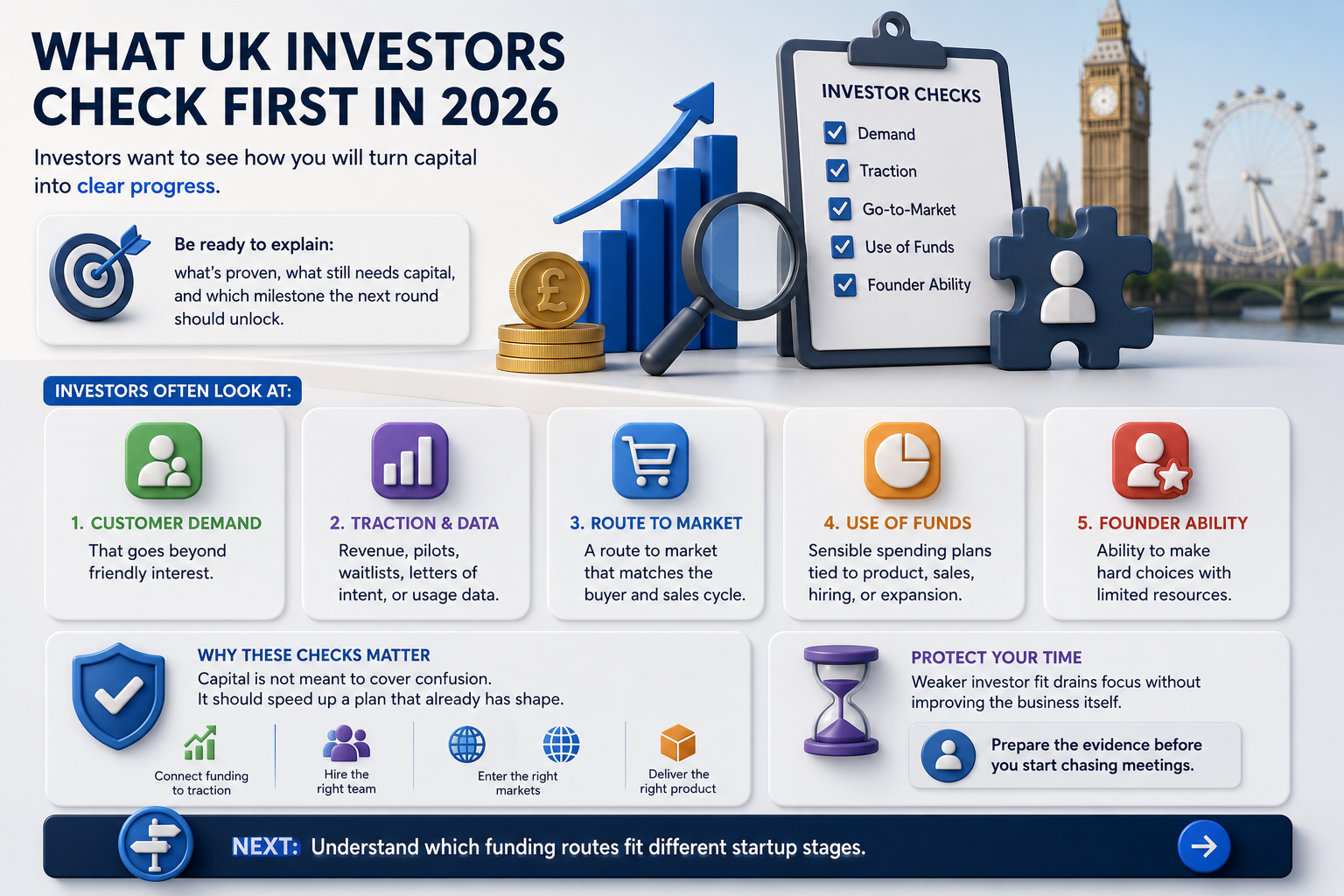
Development marketing brings the experimentation state of mind that helps teams discover brand-new angles, brand-new stories, brand-new channels, and new ways to separate. And of course, innovation has actually lastly captured up. Tools that once needed enterprise spending plans are now available to mid-market groups, with AI lowering the barrier even further. Data is cleaner.
Testing is simpler. The infrastructure is finally in location, making growth both possible and scalable. When mid-market groups embrace growth marketing, they rapidly find that it's an operating system, and not a set of techniques. Development marketing for scaling still starts with a strong structure: positioning and ICP positioning. No quantity of testing can save uncertain messaging or an audience inequality.
Essential Enterprise Management Advice in 2026
With that foundation in location, B2B growth marketing teams take full ownership of the funnel, taking a look at acquisition, activation, adoption, growth, and retention as one interconnected system rather of different departmental KPIs. This alone transforms how teams think of revenue. All of a sudden, onboarding ends up being as crucial as list building. Growth becomes predictable instead of unexpected.
The Economic Reality: Why Net Zero Is Excellent for CompanyAnd, crucially, everything is recorded, learnings compound, wins become playbooks, playbooks end up being procedures, and processes become foreseeable development. Development marketing forces marketing, sales, product, and CS to operate as a single revenue engine.
Development sprints merge everyone around shared goals and shared data. It's one group, one funnel, one outcome. This is where mid-market brand names have a natural advantage: They are little sufficient to team up, yet huge enough to scale. Throughout the business we support, a clear set of high-impact, scalable development plays keeps emerging.
They're replacing spray-and-pray content with always-on material engines that atomize a single strong idea into dozens of beneficial formats. Lifecycle optimization is becoming a strategic concern. Mid-market teams are tightening onboarding, improving trial conversions, and building growth activates that turn consumers into long-lasting income contributors. ABM, when a heavy enterprise movement, is merging with development concepts, resulting in lean, signal-based programs that deliver customization without intricacy.

Latest Posts
How Digital Tools Redefine Global Business
How Global Trade Shifts Impact UK Firms
How Digital Transformation Redefines Mid-Market Efficiency